Website Guide HERE

X
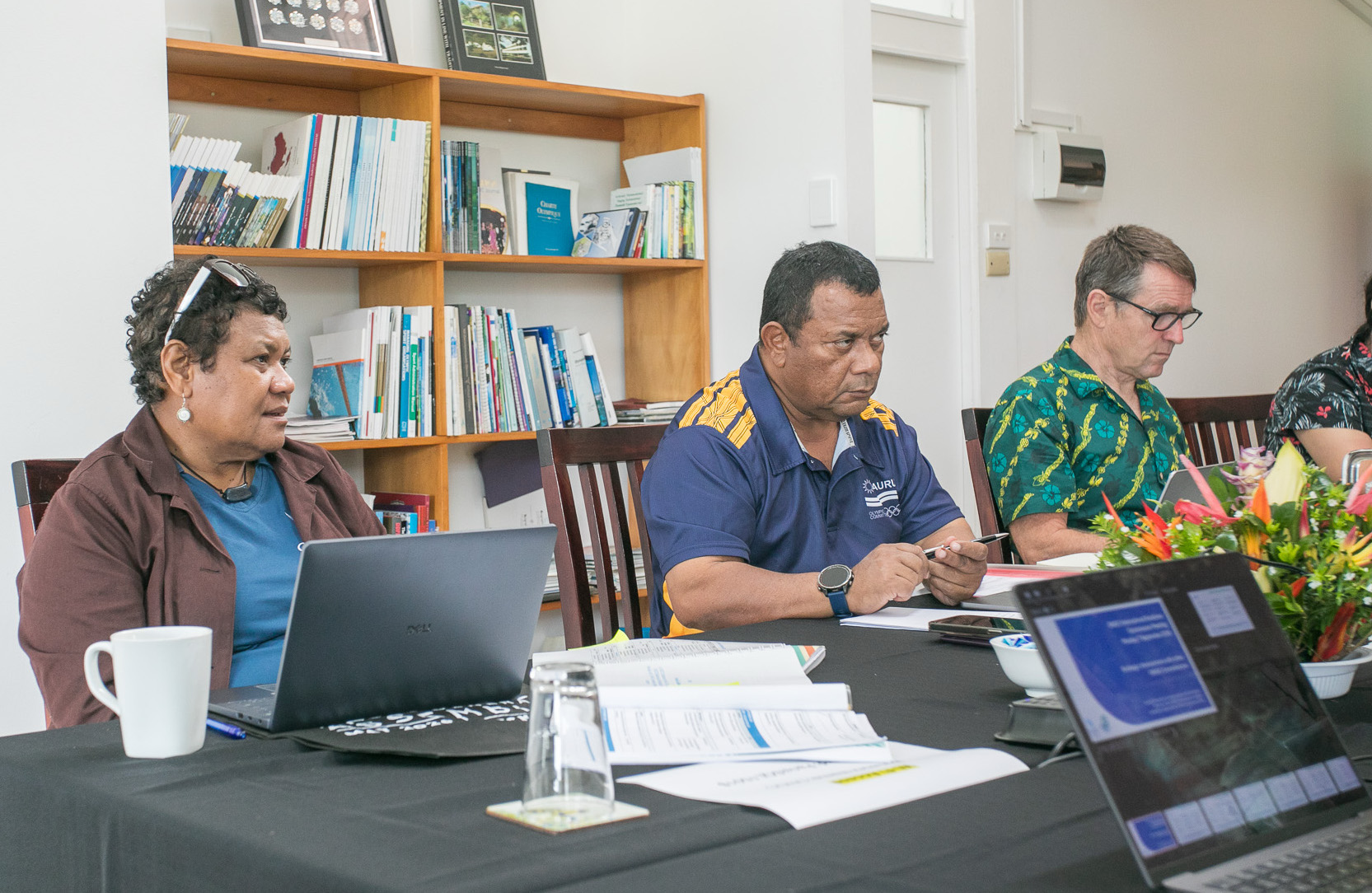
The ONOC International Relations Commission has concluded its inaugural induction and planning meeting in Suva, setting a clear direction for how international relations, strategic partnerships and sport diplomacy can strengthen Oceania's voice and deliver greater impact for athletes and National Olympic Committees across the region.
The Oceania National Olympic Committees (ONOC) International Relations Commission has concluded its inaugural induction and planning meeting in Suva, setting a clear direction for how international relations, strategic partnerships and sport diplomacy can strengthen Oceania's voice and deliver greater impact for athletes and National Olympic Committees across the region.
The Commission met over two days, on 5 and 7 September, bringing together members from across Oceania to establish its priorities and develop an initial programme of work.
The meeting confirmed a shared strategic direction aligned with the ONOC Strategic Plan 2025-2028, the ONOC reset agenda, and ONOC's Brisbane 2032 Olympic and Paralympic Games legacy agenda.
Central to the discussions was the role the Commission can play in developing targeted strategic partnerships and using sport diplomacy to strengthen ONOC's international engagement, influence and leadership.
Commission Chair and ONOC Executive Board Member Marcus Stephen said the meeting had provided an important opportunity to move from broad ambitions towards clearly defined areas of action.
"The most important thing is that we have identified the areas we want to focus on, including targeted partnerships that will be useful for our movement. We have also identified areas where our work intersects with the work of other ONOC Commissions."
Stephen, who is also President of the Nauru Olympic Committee, highlighted the value of the Commission's regional representation, bringing together members from Melanesia, Micronesia and Polynesia alongside expertise and perspectives from Australia and New Zealand.
He said the diversity and experience within the Commission would be important as it develops its contribution to ONOC's wider regional agenda.
A major focus of the meeting was the opportunity presented by the Brisbane 2032 Olympic and Paralympic Games, particularly how ONOC and its partners can work together to ensure the Games generate lasting benefits across Oceania.
Stephen said the Commission's work must ultimately be measured by the impact it delivers.
"The two things we are looking at are impact and legacy. It is very important that we target results. It is not just a matter of meeting and getting together, we want results, and through those results we leave legacies behind."
With Brisbane 2032 now six years away, Stephen said the region needed to begin translating the concept of Brisbane as an Oceania Games into practical action.
"We keep saying the Brisbane 2032 Games are regional Games, and it is time we make that happen. If all the Commissions contribute and we put that work together, it can make a big difference to our athletes and our region. That is the impact and legacy we hope to achieve."
For Commission member and Melanesia representative Gomara Gorua of Papua New Guinea, the discussions reinforced the importance of ensuring that athletes remain at the centre of the region's planning and partnerships.
Gorua said Brisbane 2032 provides a significant opportunity to improve access to high-quality training environments and facilities for Pacific athletes as they prepare for the Games.
"We need to use this opportunity with Brisbane to give more of our athletes access to facilities where they can train and prepare themselves for 2032. For many of our athletes, access to the right facilities is a challenge. If we use this opportunity well, I am sure Oceania can do well."
He also highlighted the importance of looking beyond competition and considering the longer-term legacy for athletes after their sporting careers.
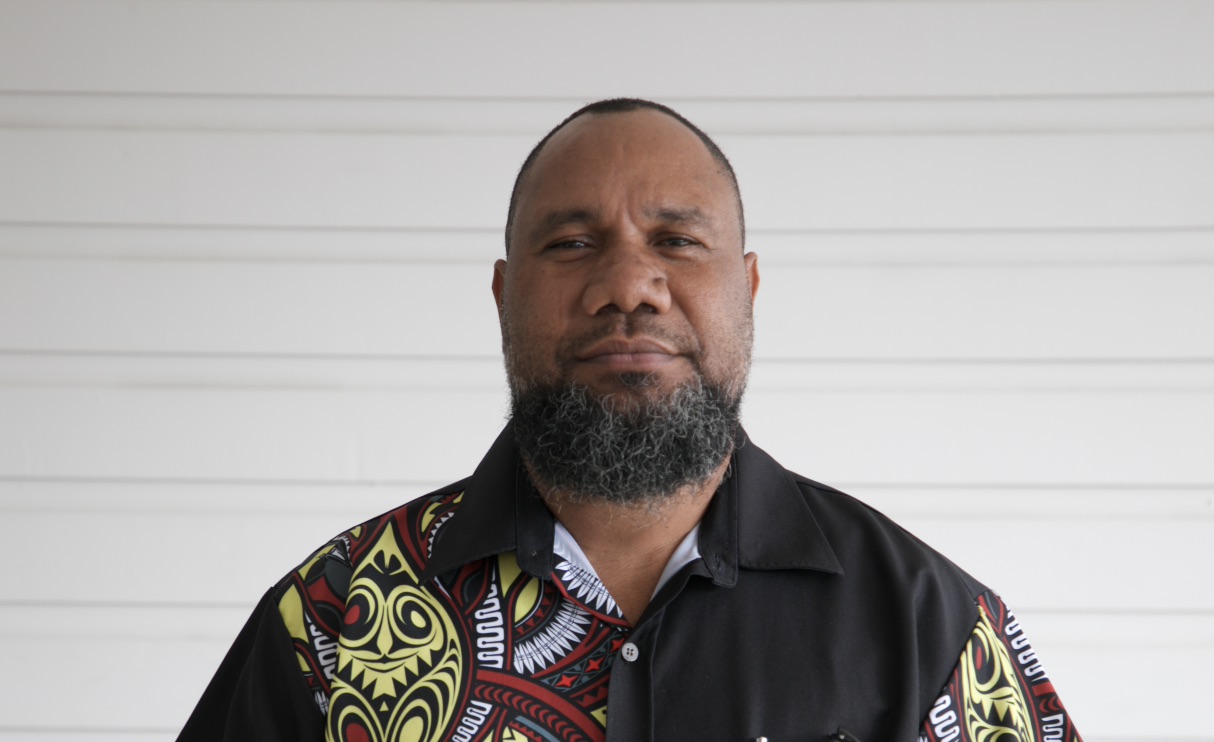
For many Pacific countries, Gorua said, governments remain critical partners in sport, creating opportunities to explore how athletes who have represented their countries can transition into employment and continue contributing to their communities.
"Partnership is very important. For me, it is also about what legacy we leave for the athletes. That is something I want to take back and discuss with government - how we can support athletes beyond competition and recognise the contribution they have made to their country."
During the two-day programme, the International Relations Commission also examined its intersections with ONOC's other Commissions and functional areas, identifying opportunities for stronger collaboration, athlete-centred strategic action and greater collective impact.

The Commission explored how coordinated engagement with ONOC partners could help secure lasting Pacific benefits from Brisbane 2032 and identified opportunities to strengthen the region's international relationships and influence.
The meeting concluded with the development of an initial work plan across four priority action areas, including proposed activities and recommendations that will now be progressed for consideration by the ONOC Executive Board.
The Commission's next phase will focus on translating those priorities into practical partnerships and initiatives that support ONOC's strategic objectives, strengthen the international positioning of Oceania's NOCs, and ensure opportunities created by Brisbane 2032 deliver tangible benefits across the Pacific.
###
About ONOC
Established in 1981, the Oceania National Olympic Committees (ONOC) is one of five Continental Associations. It looks after the interests of 17 member nations in the Oceania Region, including Australia and New Zealand as well as seven associate members.
###
For more information, please contact;
Inoke Bainimarama, Executive Director
inoke@oceanianoc.org
###
Digital Channels
For up-to-the-minute information on ONOC and regular updates, please follow us on Facebook, Twitter, Instagram LinkedIn and YouTube.