Website Guide HERE

X
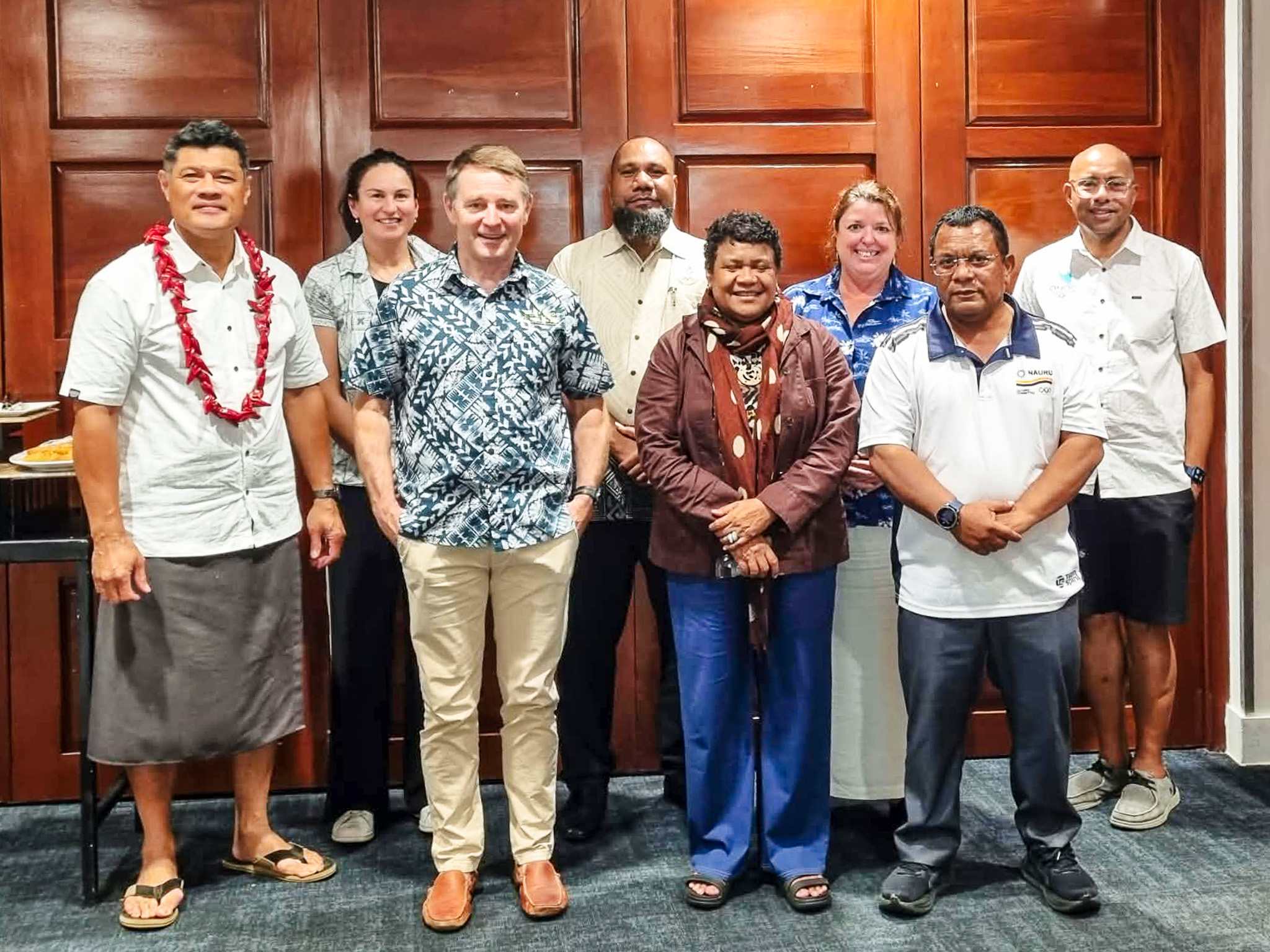
The ONOC International Relations Commission has commenced a two-day in-person meeting in Suva to strengthen ONOC's regional and international engagement and map priority areas of work through 2026 and 2027.
The Oceania National Olympic Committees (ONOC) International Relations Commission has commenced a two-day in-person meeting in Suva, bringing together Commission members to strengthen ONOC's regional and international engagement and map priority areas of work through 2026 and 2027.
The meeting, chaired by ONOC International Relations Commission Chair Marcus Stephen, began on Saturday, 5 September at the Tanoa Plaza Hotel and concludes on Monday, 7 September at the ONOC Headquarters in Suva.
The Commission is using the meeting to confirm its priority activities, budget and workplan for 2026–2027; undertake an induction with the ONOC Secretariat; analyse key stakeholders and partnerships; develop its approach to advocacy, representation and diplomatic engagement; and identify opportunities for collaboration across ONOC's other Commissions.
Opening the meeting, ONOC President Baklai Temengil-Chilton reflected on the evolution of the International Relations Commission from the Pacific Sports Compass Working Group between 2015 and 2018, through to the Commission's establishment by the ONOC Executive Board in 2018 and endorsement by the ONOC General Assembly in 2019.
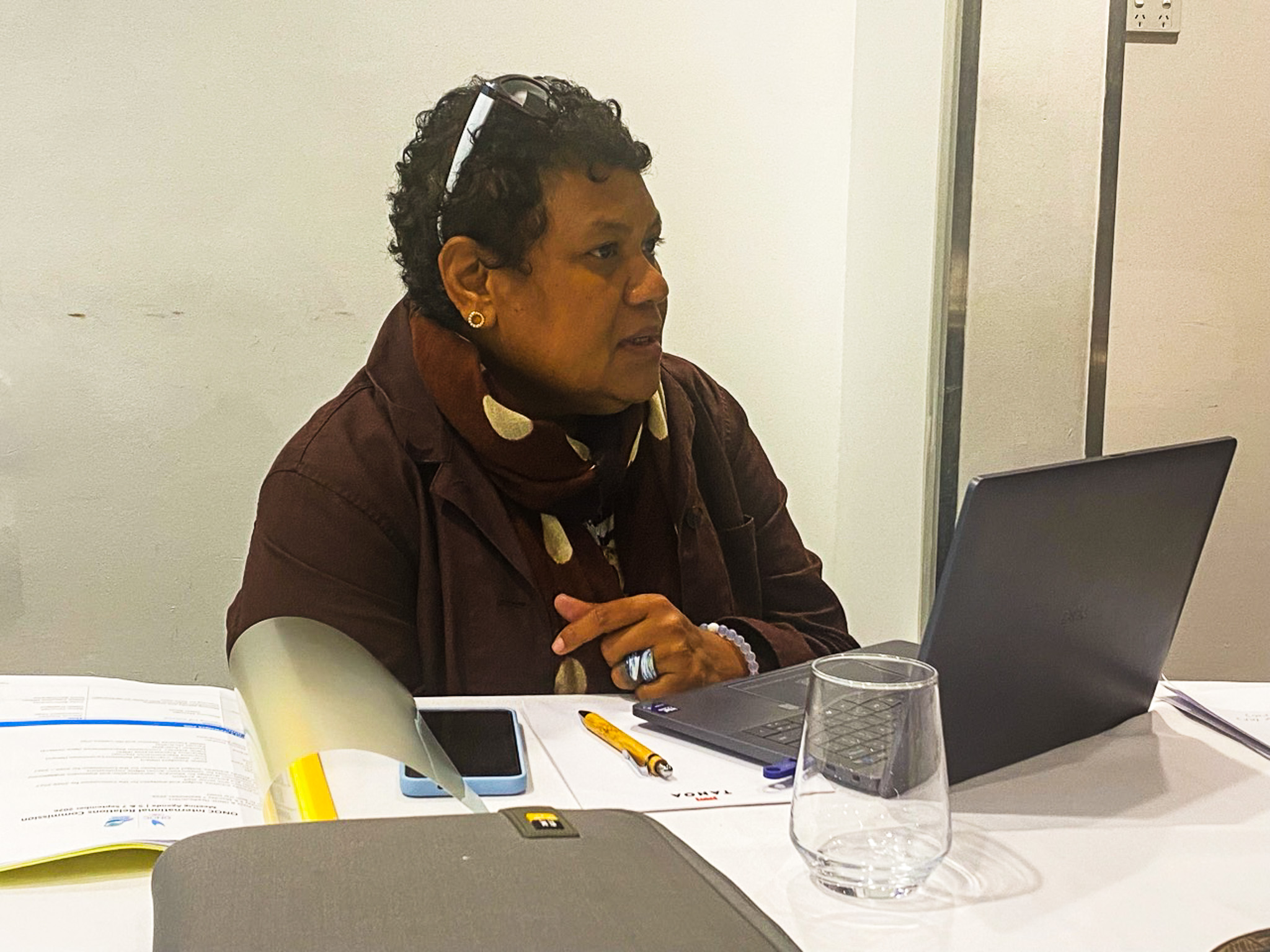
President Temengil-Chilton said the Commission's role had become increasingly important as ONOC seeks to position sport not simply as an outcome of development, but as an instrument for development across Oceania.
Under its new 2026–2032 Terms of Reference, the Commission's work is centred around four interconnected pillars: Sports Diplomacy and Strategic Partnerships; Brisbane 2032 Impact and Legacy; Sport and Sustainable Development; and Sport Integrity, Human Rights and Good Governance.
President Temengil-Chilton challenged the Commission to help drive a change in how sport is viewed across the Pacific — from primarily a cost or Games activity to an investment in people, communities and sustainable development.
“Our Games must therefore leave more than medals and memories. Games legacy must mean lasting capacity, stronger institutions, new partnerships, education and research opportunities, infrastructure, investment and pathways for the next generation,” President Temengil-Chilton said.
She said this role was particularly important as ONOC moves from strategy into implementation through its Strategies Implementation Framework, Games Ready 2032 and Reset: Fit for Purpose agenda, with the organisation working towards being financially sustainable, well governed and operationally effective in serving its National Olympic Committees and athletes.
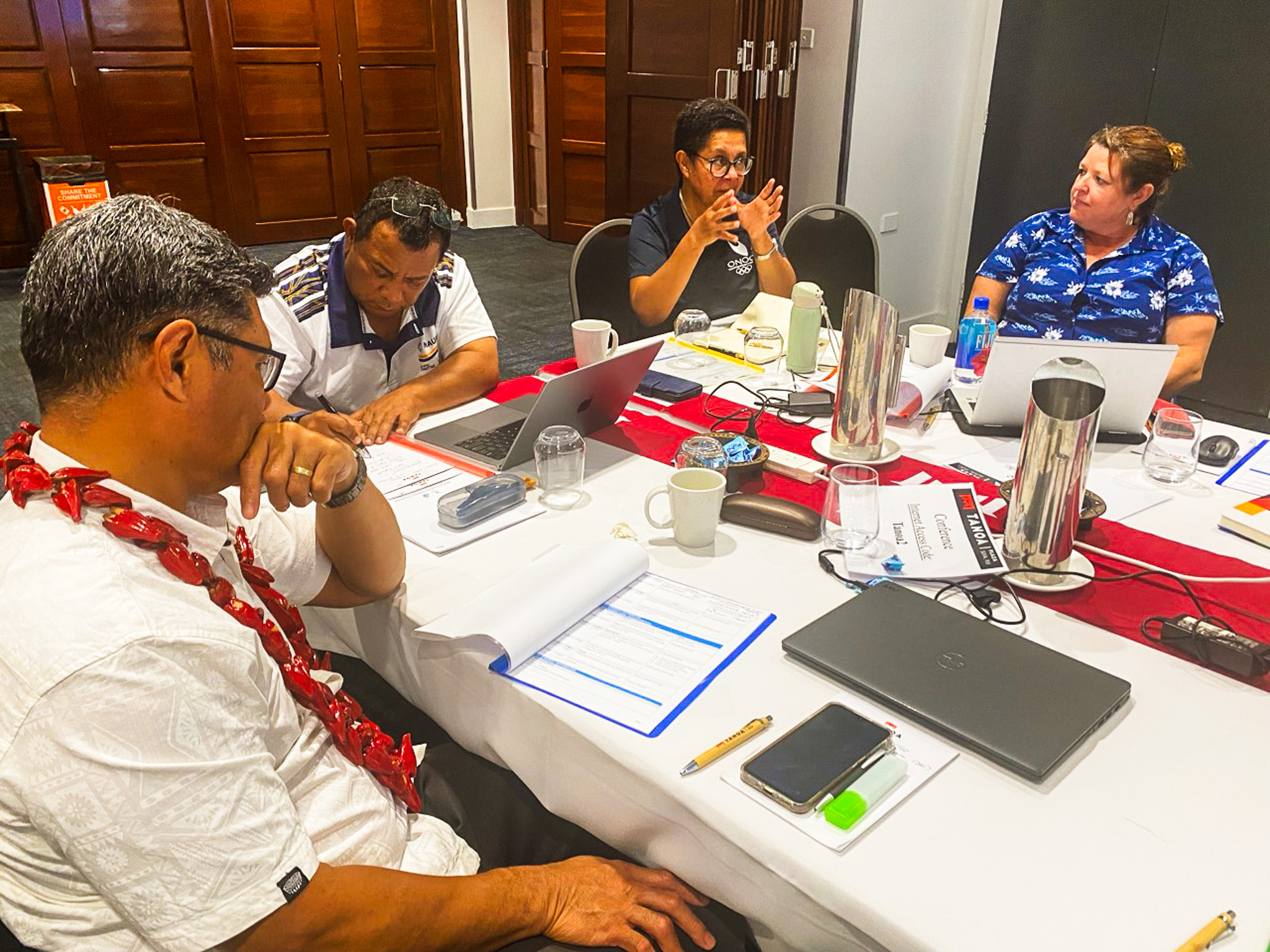
A significant focus of the meeting is Brisbane 2032 and Home Games Oceania programme.
The Commission is examining how international relations, partnerships and diplomacy can help Oceania capture opportunities generated by the Games in areas including athlete and coach development, workforce capability, education and research, institutional strengthening, innovation and investment.
President Temengil-Chilton emphasised that H32GO must extend beyond preparing Oceania to participate at Brisbane 2032.
“It must be about ensuring Oceania is ready to capture the opportunities that Brisbane 2032 presents and to turn those opportunities into a lasting Pacific legacy.”
Saturday's programme included Commission alignment with the ONOC 2025–2028 Strategic Plan, Brisbane 2032 impact and legacy planning, stakeholder and partnership analysis, and the first stage of developing the Commission's advocacy, representation and diplomatic engagement strategy.
When the Commission reconvenes on Monday, members will engage with senior ONOC Secretariat staff to identify intersections between the Commission's mandate and ONOC's operational work. The programme will also connect the International Relations Commission with the Sustainability, Athletes', Equity and Games Commissions, before completing its advocacy strategy and mapping its workplan for 2026 and 2027.
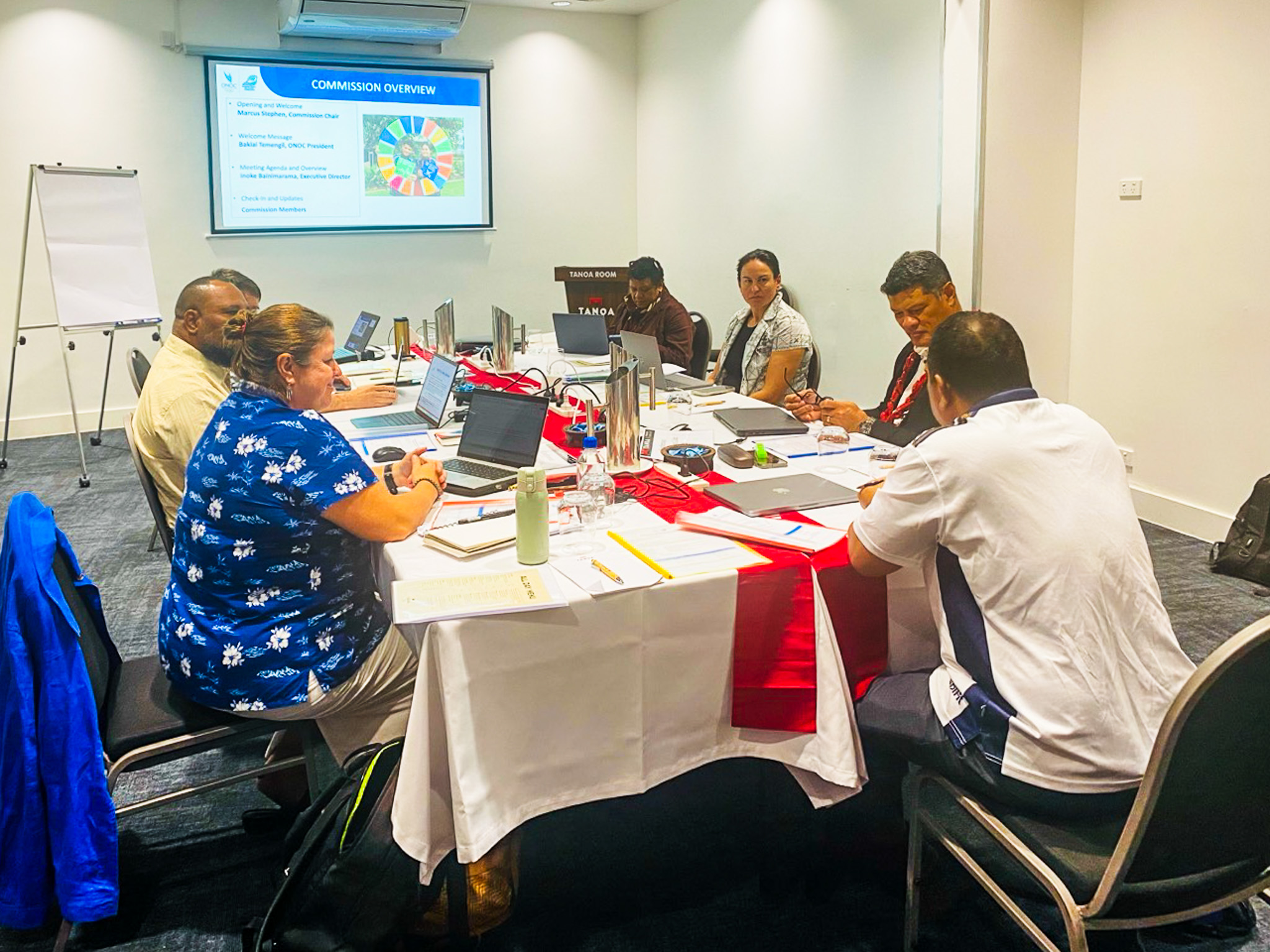
The meeting brings together Commission representatives from across Oceania alongside partners and the ONOC Secretariat, reflecting the Commission's role as a platform for building relationships and leveraging regional and international networks.
President Temengil-Chilton encouraged members to focus on partnerships that translate into tangible benefits for Oceania.
“Let us move beyond relationships for relationships' sake and focus on partnerships that create change, Games that create legacy, and sport that contributes to the sustainable development of our Pacific.”
The Commission will conclude its Suva meeting on Monday with agreement on key decisions, actions and its priority work programme for 2026 and 2027.
###
About ONOC
Established in 1981, the Oceania National Olympic Committees (ONOC) is one of five Continental Associations. It looks after the interests of 17 member nations in the Oceania Region, including Australia and New Zealand as well as seven associate members.
###
For more information, please contact;
Inoke Bainimarama, Executive Director
inoke@oceanianoc.org
###
Digital Channels
For up-to-the-minute information on ONOC and regular updates, please follow us on Facebook, Twitter, Instagram LinkedIn and YouTube.