Website Guide HERE

X
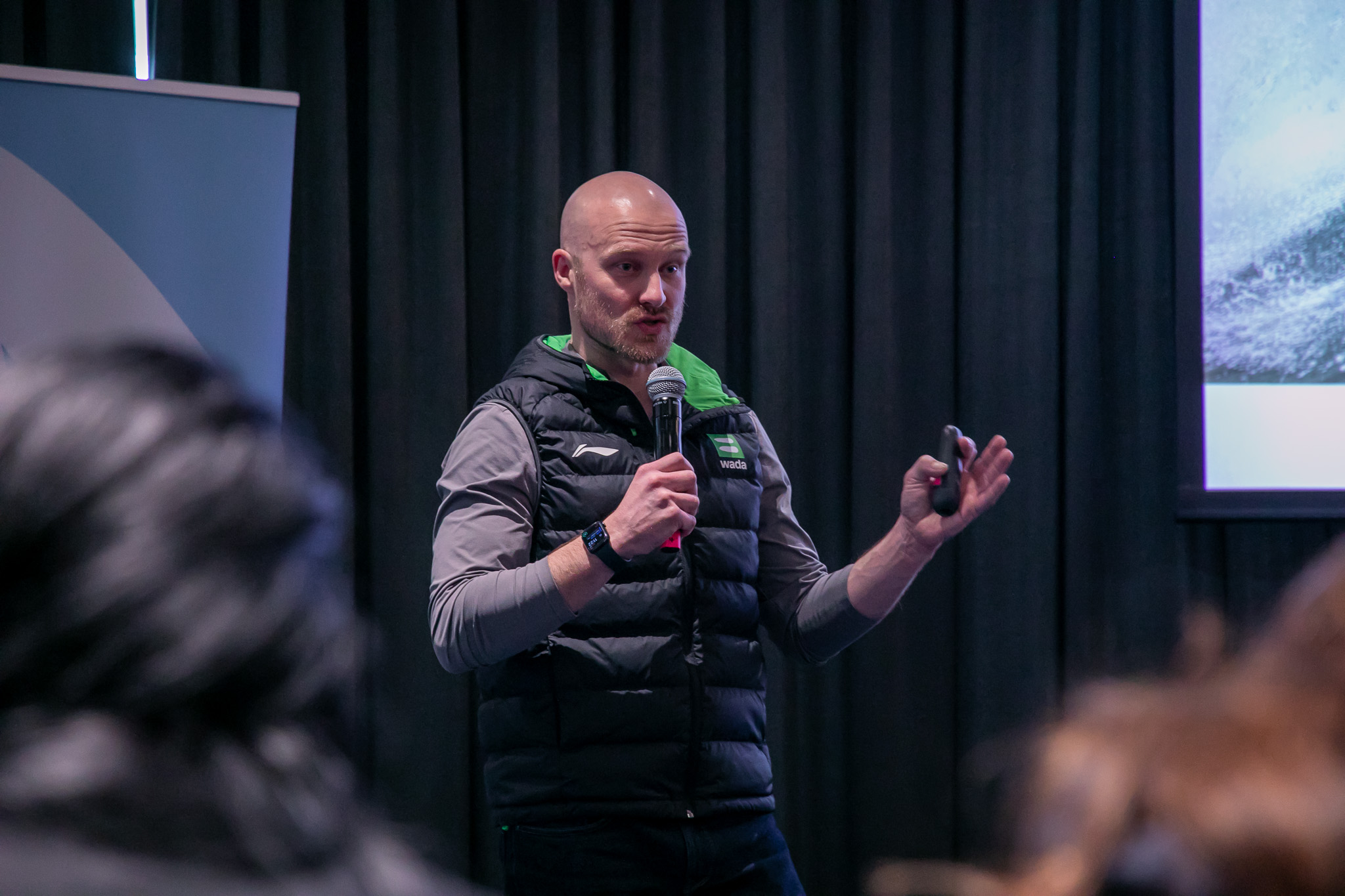
On the Forum's final day, WADA Athlete Council Chair Ryan Pini and member Toby Cunliffe-Steel, with ORADO Chairperson Natania Potoi, championed clean sport and athlete rights — walking delegates through the incoming 2027 World Anti-Doping Code and ORADO's roadmap for the Pacific.
Auckland, New Zealand — 23 May 2026 · ONOC Media
The final day of the 2026 Oceania Athletes' Forum delivered one of its most powerful sessions as international and regional anti-doping leaders took to the floor to champion clean sport, educate athletes on their rights and lay out a bold roadmap for the Oceania region ahead of the incoming 2027 World Anti-Doping Code. The session, titled Protecting Clean Athletes, formed a central pillar of a closing day devoted to empowering athlete representatives gathered in Auckland as part of the 2026 ONOC XLVI Annual General Assembly Week.
The presentation opened with Ryan Pini, Chair of the World Anti-Doping Agency (WADA) Athlete Council, and Toby Cunliffe-Steel, a former New Zealand rower, elected WADA Athlete Council member and representative on the Sport Integrity Commission of New Zealand. Together they provided Forum delegates with a comprehensive international perspective on athlete integrity, evolving governance structures and the growing role of athletes within global anti-doping leadership.
Pini walked delegates through the WADA Athlete Council, established in 2023 as part of a major reform process to significantly increase athlete representation within WADA. The Council comprises twenty elite athletes elected and selected by athletes themselves, and both the WADA President and Vice President are former elite Olympians, reflecting how central athlete experience has become to the global system.
“At no point in WADA's history have we had more representation from athletes within WADA than we do right now. We are really here to help guide you through your navigation of this, and we want to hear from you.” — Ryan Pini, Chair, WADA Athlete Council
A central focus of the WADA presentation was the incoming 2027 World Anti-Doping Code, which enters into force on 1 January 2027. Pini outlined the ten most significant athlete-centred changes, covering everything from stronger human rights protections and a more practical TUE process to clearer sanctioning and hearing procedures. He emphasised that the first experience an athlete has with anti-doping should always be through education, not a test.
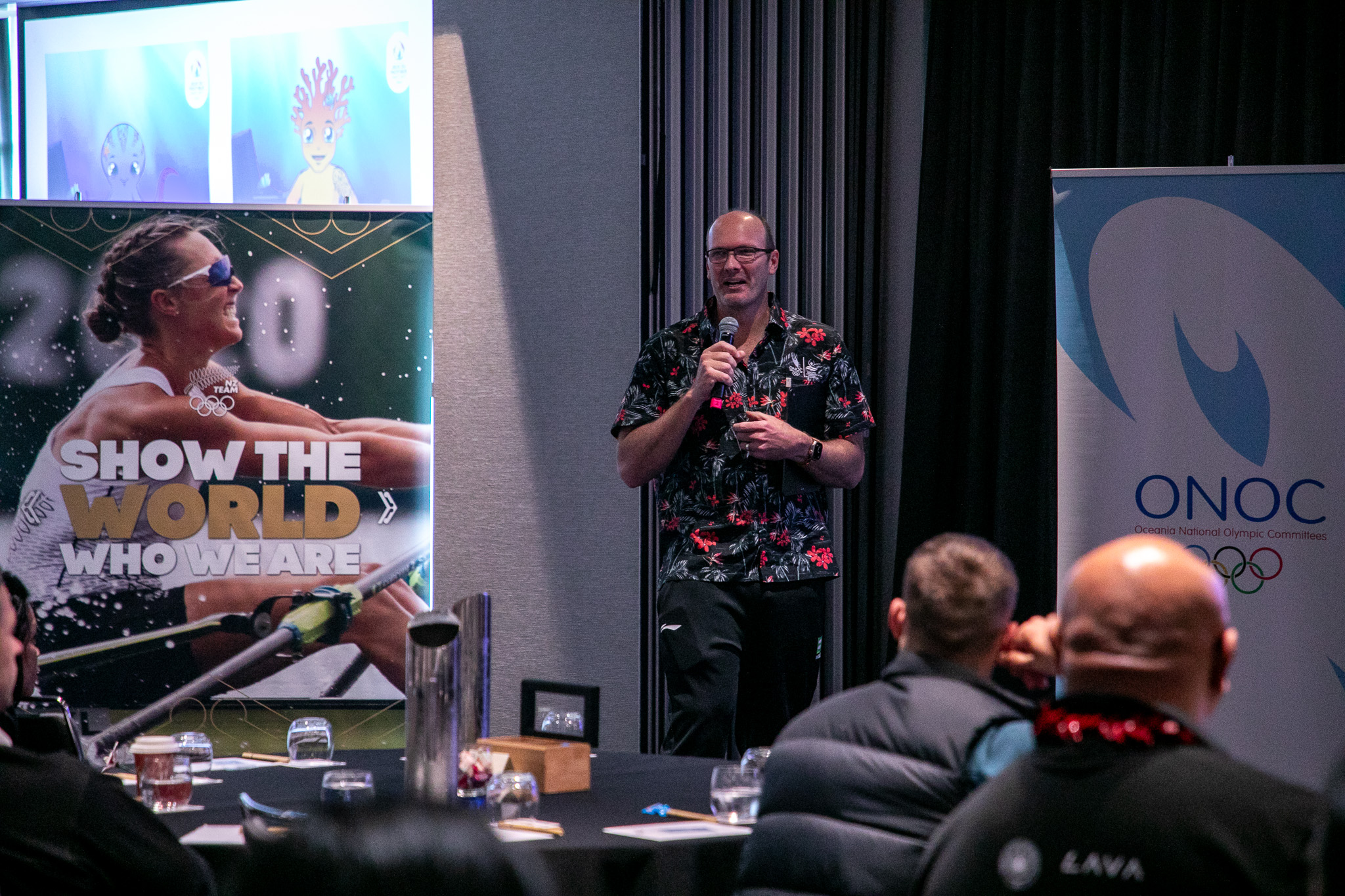
Cunliffe-Steel then presented the Athletes Anti-Doping Ombuds service, a free, confidential and independent resource available to any athlete with questions about the anti-doping system, and introduced the Athletes Anti-Doping Rights Act, which sets out both existing code rights and aspirational rights the WADA Athlete Council is actively working to enshrine.
“There is so much meaning in being part of athlete advocacy. I have so much admiration for athletes across the globe doing their best for the benefit of the athlete community, and that is exactly what this room represents.” — Toby Cunliffe-Steel, WADA Athlete Council Member and Chair, Sport Integrity Commission of New Zealand Athlete Voice Group
Pini and Cunliffe-Steel then handed over to Natania Potoi, Chairperson of the Oceania Regional Anti-Doping Organisation (ORADO), who brought the conversation firmly into the Pacific context.
“Our mission is simple: for every Oceania athlete to participate in clean sport. We test, we educate, we manage results, and we advocate. In Auckland, in Suva, in Sydney, and across Moana, we fight for the right of every athlete in this region to compete clean, on a level playing field.” — Natania Potoi, Chairperson, Oceania Regional Anti-Doping Organisation (ORADO)
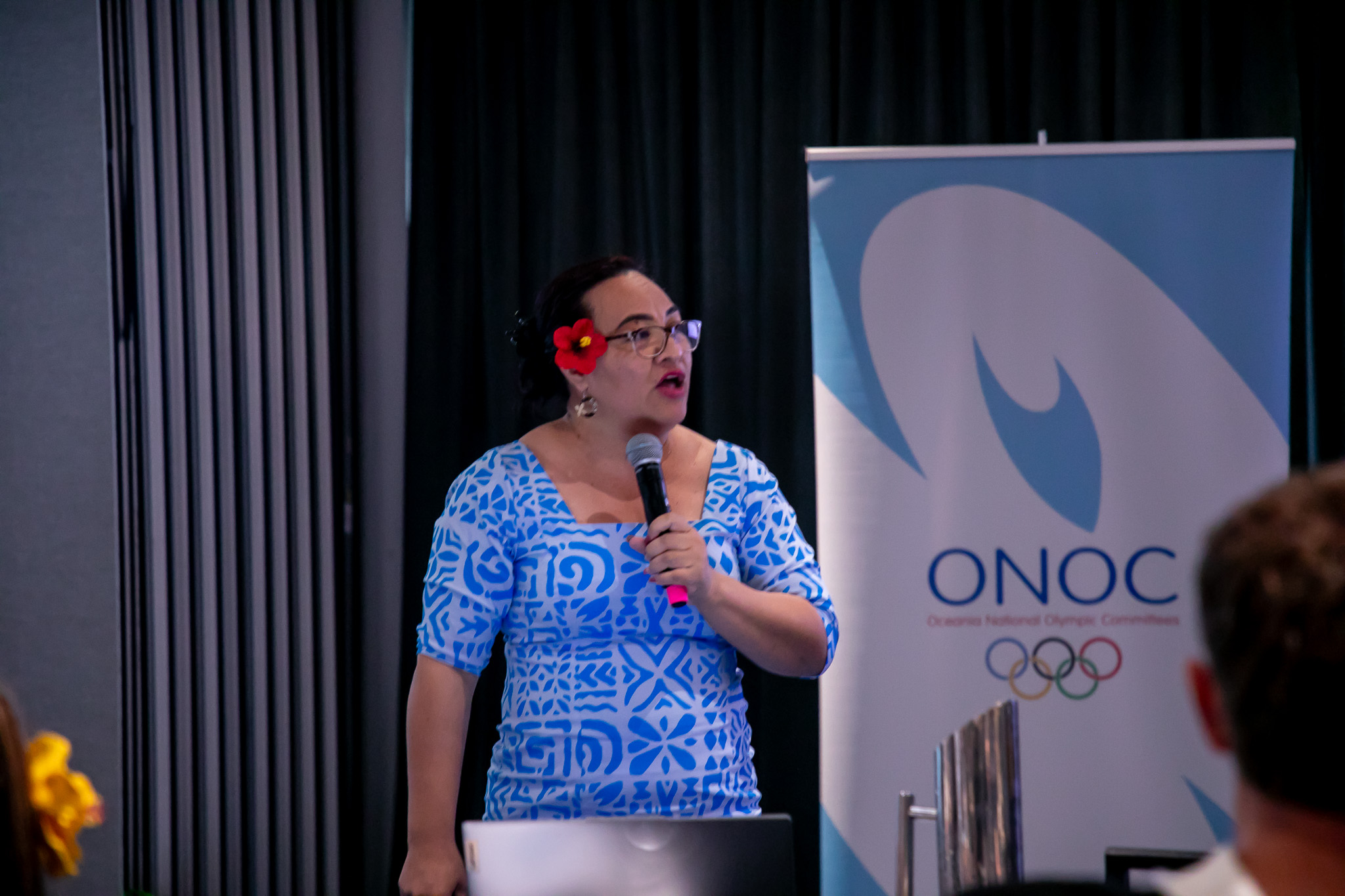
Potoi was unflinching in her assessment of what doping really costs. She told delegates that the harm falls not on those who cheat but on every athlete who plays by the rules — every medal won through doping is a medal taken from someone in that room, years of sacrifice and legitimate preparation given to someone who did not earn it. She was equally direct about false accusations, noting that unjust findings can destroy careers just as surely as any doping violation.
Potoi outlined ORADO's three-phase strategy to bring the region into full compliance with the new Code and confirmed the ORADO Board is actively growing its staff to ensure every clean athlete across the Pacific has the support they deserve. She closed with three firm promises: to fight for a clean and level playing field, to ensure every athlete knows their rights, and to keep building capacity and reach across Oceania. Drawing on a Maya Angelou quote that had framed the session, Potoi challenged every delegate to take their new knowledge home and act on it, for the benefit of every clean athlete in the Pacific.
###
About ONOC
Established in 1981, the Oceania National Olympic Committees (ONOC) is one of five Continental Associations. It looks after the interests of 17 member nations in the Oceania Region, including Australia and New Zealand as well as seven associate members.
###
For more information, please contact;
Inoke Bainimarama, Executive Director
inoke@oceanianoc.org
###
Digital Channels
For up-to-the-minute information on ONOC and regular updates, please follow us on Facebook, Twitter, Instagram LinkedIn and YouTube.