Website Guide HERE

X
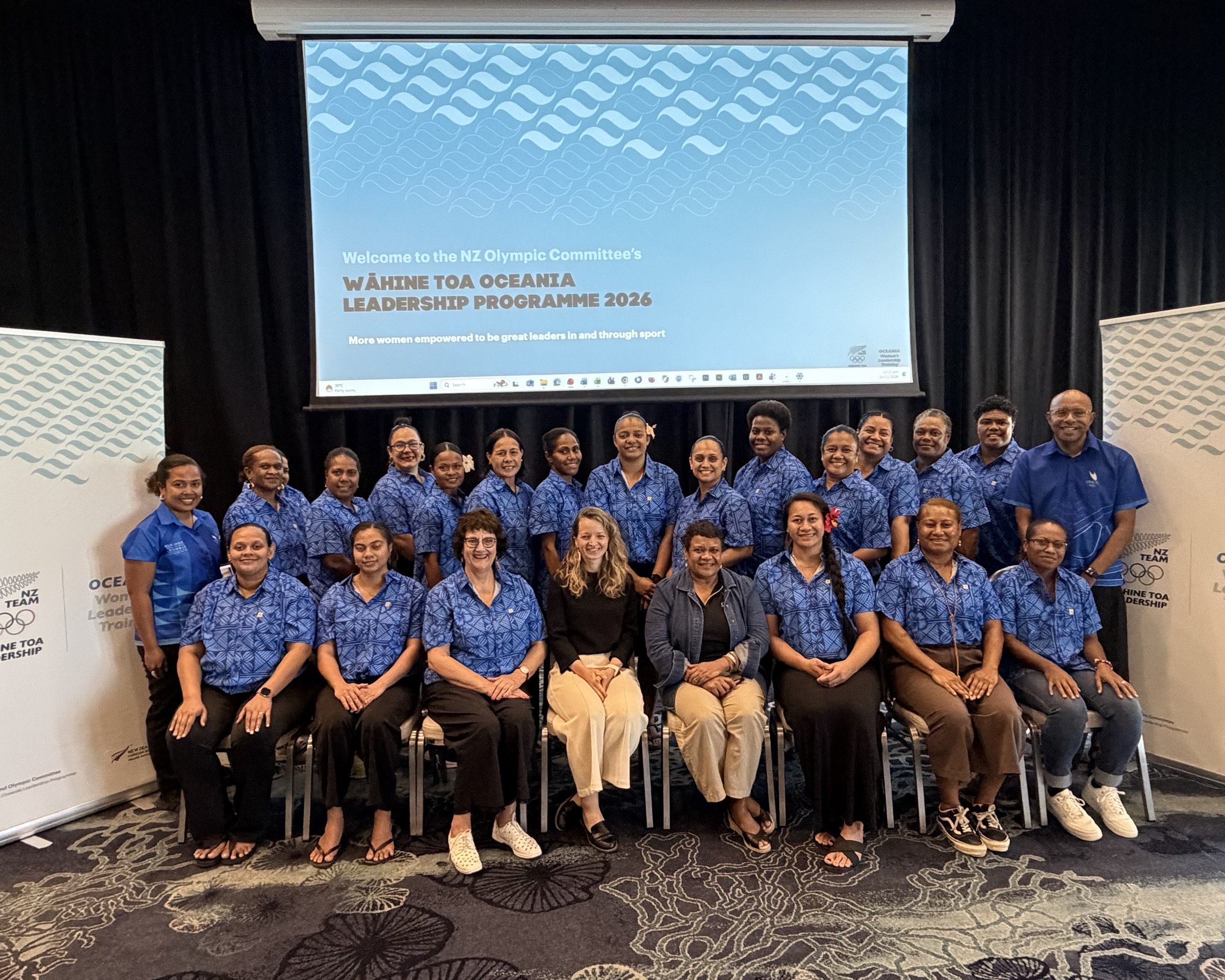
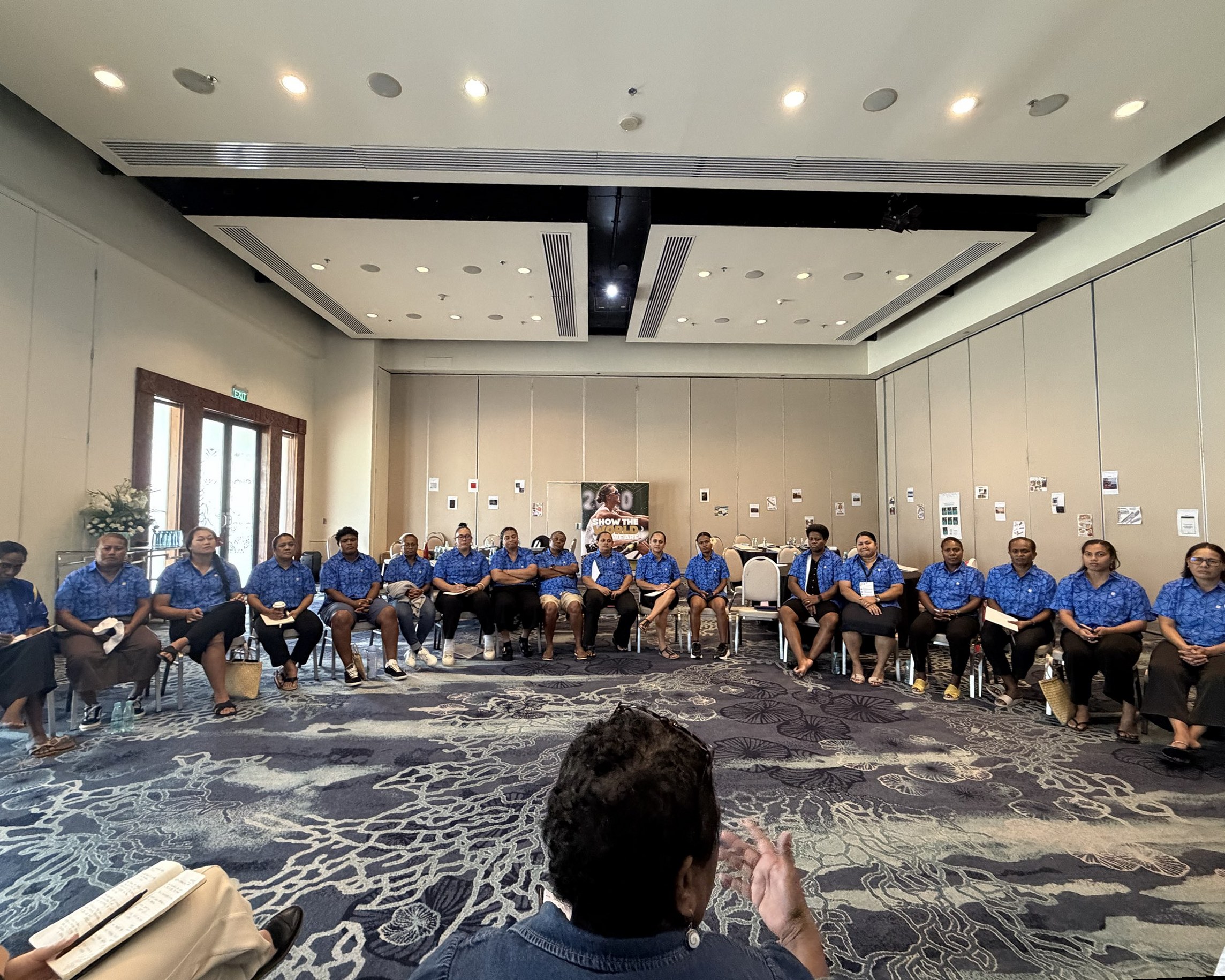
ONOC President Baklai Temengil joined a leadership panel at the opening workshop of the second Wāhine Toa Oceania programme in Nadi, where 19 former elite athletes from nine Pacific nations are preparing for leadership roles in sport.
26 November 2026 | Nadi, Fiji | Nineteen former elite athletes from nine Pacific nations gathered in Nadi this week for the opening workshop of the second Wāhine Toa Oceania programme, a 12-month leadership initiative designed to support retired female athletes as they transition into leadership roles across sport and their communities.
Delivered by the New Zealand Olympic Committee (NZOC) in partnership with the Ministry of Foreign Affairs and Trade (MFAT), Olympic Solidarity and regional partners, the programme combines residential workshops, mentoring and project-based learning focused on governance, leadership, safeguarding and creating opportunities for women and girls in sport.
Participants from the Cook Islands, Fiji, Kiribati, Palau, Papua New Guinea, Samoa, Solomon Islands, Tonga and Vanuatu will undertake workshops in Fiji, Greece and Papua New Guinea throughout the programme.
The opening workshop, centred on creating a safe space and building trust among participants, featured a special leadership panel themed “Paving the Way for Female Leaders.”
The session provided participants with an opportunity to hear directly from experienced women leaders about their personal journeys, challenges and contributions to shaping sport and communities across Oceania.
ONOC President and International Olympic Committee (IOC) Member Baklai Temengil joined the panel alongside Jurgita Serekaite, Programme Manager for Ending Violence Against Women and Girls at the UN Women Pacific Multi-Country Office, and Beatrice Faumuina OLY, four-time New Zealand Olympian and world champion discus thrower.
Drawing on her extensive leadership experience within the Olympic Movement, President Temengil encouraged participants to embrace their visibility and responsibility as Pacific women leaders.
“There is still a lot of work to do, and we must continue to raise our voices, especially from the Pacific. Don’t be afraid of that responsibility, and also note that your visibility is important in this process.”
Reflecting on the progress of women in sports governance across Oceania, President Temengil highlighted the region’s evolution towards recognising women for their capabilities, contributions and demonstrated leadership.
“When I became Vice President within the Olympic Movement there was a target of 20 to 30 percent women in leadership.
“Today, Oceania has moved well beyond those discussions. Not because we need to meet a target, but because people are voting for the right leaders. We have seen women leaders contributing to change, and the impact of that has evolved over time. When elections were held in Guam in 2025, women were not elected because they were women, but because they were leaders.”
The discussion also explored the transformative power of sport and its ability to address broader challenges facing Pacific communities.
“Sport is a culture that can trigger the changes we need to make. Whether it’s climate action, gender equality or creating opportunities for women, sport has an important role to play in driving that change.”
Drawing on her own experiences balancing leadership responsibilities at national, regional and international levels, President Temengil also spoke candidly about the importance of personal wellbeing and sustainable leadership.
“Being a president of a continental organisation means you must have a voice. The role carries significant responsibility and demands on your time. It took me some time to accept that and to manage myself accordingly. Looking after your health is important if you are going to be effective and fully present in leadership.”
The panel reinforced the programme’s focus on empowering women to step confidently into positions of leadership and influence.
In closing, participants were encouraged to make the most of the opportunities to engage with experienced leaders throughout their leadership journey.
“Raise your voice, make the most of the opportunities when they come, and ask questions,” participants were told. “Take this opportunity to dig deeper into the areas you want to learn more about and use this experience to grow as a leader.”
President Temengil’s participation in Wāhine Toa Oceania reinforces ONOC’s commitment to advancing women in sport and reflects the ambitions of the ONOC Strategic Plan 2025–2028.
Through its four core functions (a) Supporting Sporting Excellence, (b) Strengthening NOC Services, (c) Cultivating Strategic Partnerships and (d) Leading by Example, ONOC is committed to working with its 17 member National Olympic Committees, the ONOC Equity Commission and regional partners to strengthen pathways for women to participate, perform and lead in sport.
Initiatives such as Wāhine Toa Oceania demonstrate the importance of strategic partnerships in operationalising the ONOC Strategic Plan and advancing gender equity across the Olympic Movement in Oceania.
They also play an important role in retaining the experience, knowledge and capabilities of female athletes within the sporting ecosystem, supporting their transition from sporting careers into positions of leadership, governance and decision-making.
As Oceania looks towards Brisbane 2032 and beyond, investing in the next generation of Pacific women leaders will be integral to building a stronger, more equitable, inclusive and sustainable sporting ecosystem across the region.
###
About ONOC
Established in 1981, the Oceania National Olympic Committees (ONOC) is one of five Continental Associations. It looks after the interests of 17 member nations in the Oceania Region, including Australia and New Zealand as well as seven associate members.
###
For more information, please contact;
Inoke Bainimarama, Executive Director
inoke@oceanianoc.org
###
Digital Channels
For up-to-the-minute information on ONOC and regular updates, please follow us on Facebook, Twitter, Instagram LinkedIn and YouTube.