Website Guide HERE

X
Commission reorganises as advisory body for new quadrennium and Brisbane 2032 preparation
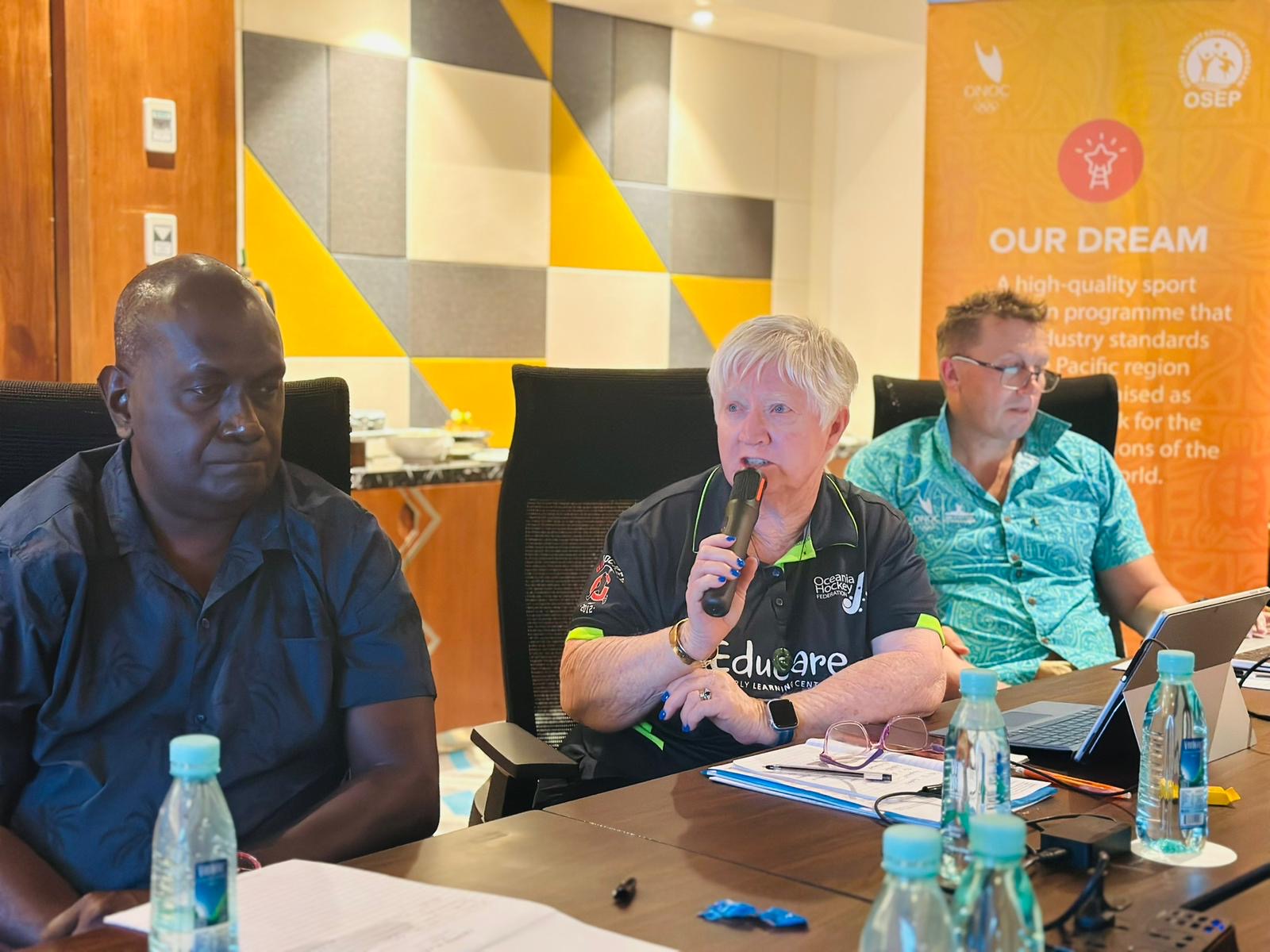
NADI, FIJI – The ONOC Education Commission convened in Nadi at a pivotal moment as the organisation undertakes a comprehensive reset for the new quadrennium leading to Brisbane 2032. The meeting held on 27 November focused on reorganising the Commission to serve as a fit-for-purpose advisory body supporting the new ONOC Strategic Plan.
The Commission meeting, chaired by James Tobin, brought together education leaders and OSEP (Oceania Sports Education Program) stakeholders to align their work with ONOC's strategic priorities and ensure the region's education systems are positioned to support the Home Games Advantage vision.
ONOC Executive Director Inoke Bainimarama emphasised the significance of the Commission meeting coinciding with ONOC's broader organisational reset. "As we enter this new quadrennium, ONOC is undertaking a fundamental reset of our systems, structures, and strategic approach," Bainimarama stated. "The Education Commission's work is central to this reset because education and capacity building underpin everything we're trying to achieve – from high performance to governance to sustainable sport development across our 17 member nations."
The reset comes as ONOC implements its 2025-2028 Strategic Plan, which establishes clear priorities for the quadrennium including supporting sporting excellence, strengthening NOC services and capacity, and building legacy systems that extend beyond Brisbane 2032.
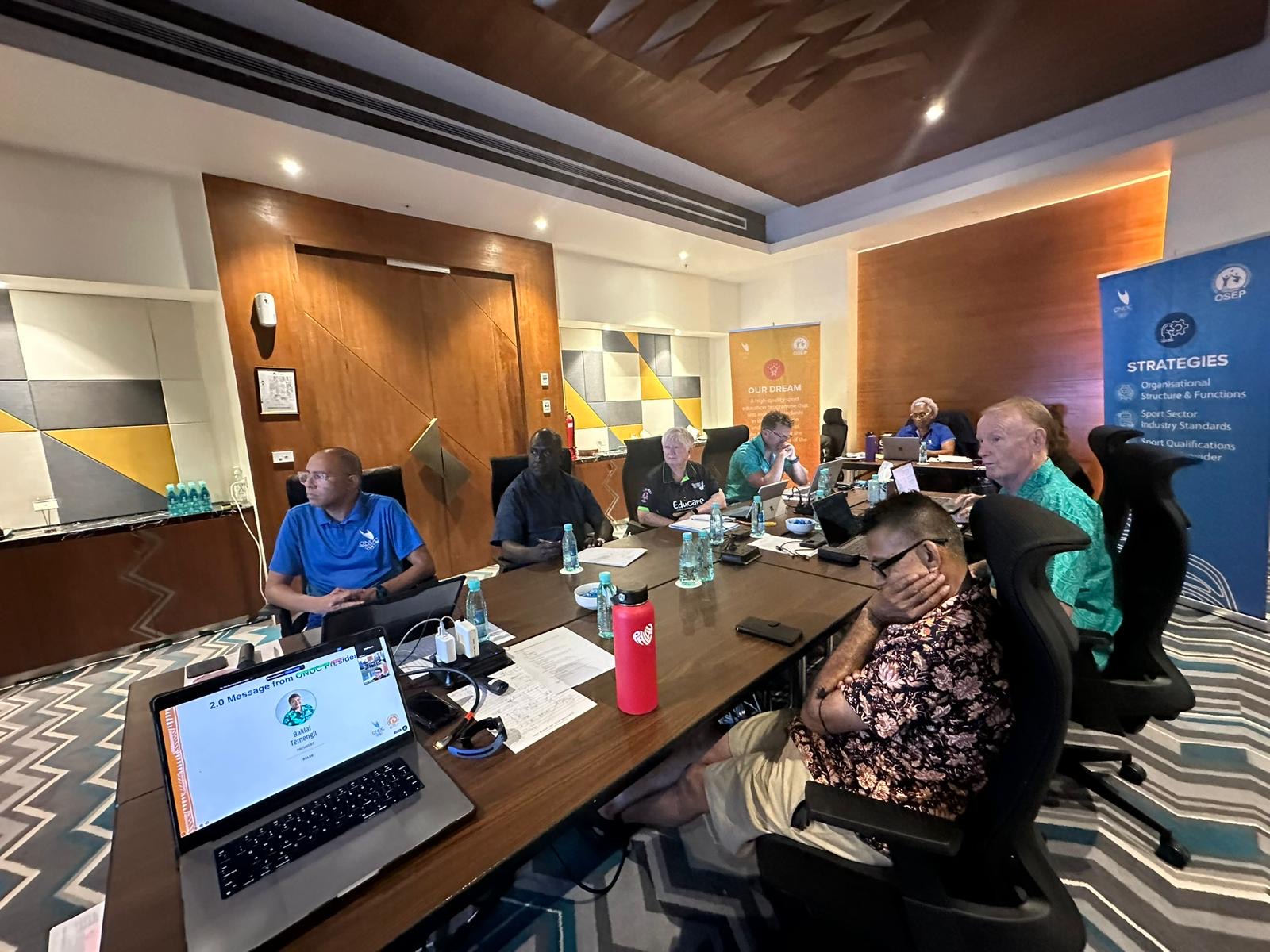
The Commission examined its structure and function to better serve as an advisory body to the ONOC Executive. This reorganisation focused on ensuring the Commission could effectively guide strategic decisions around sports education, quality assurance, curriculum development, and capacity building across the Pacific region.
OSEP Lead Meli Cavu highlighted the Commission's evolving contribution to the Oceania Olympic Movement. "The Education Commission has spent years building OSEP into a world-class sports education programme, and now we're at a stage where we can provide strategic advice that shapes how all 17 NOCs develop their people and systems," Cavu explained. "Our reorganisation is about being fit for purpose – ensuring we're not just delivering courses, but actively advising on how education can drive performance outcomes, strengthen governance, and build the skilled workforce Oceania needs for 2032 and beyond."
The Commission meeting addressed several critical areas that will shape OSEP's contribution to the strategic plan:
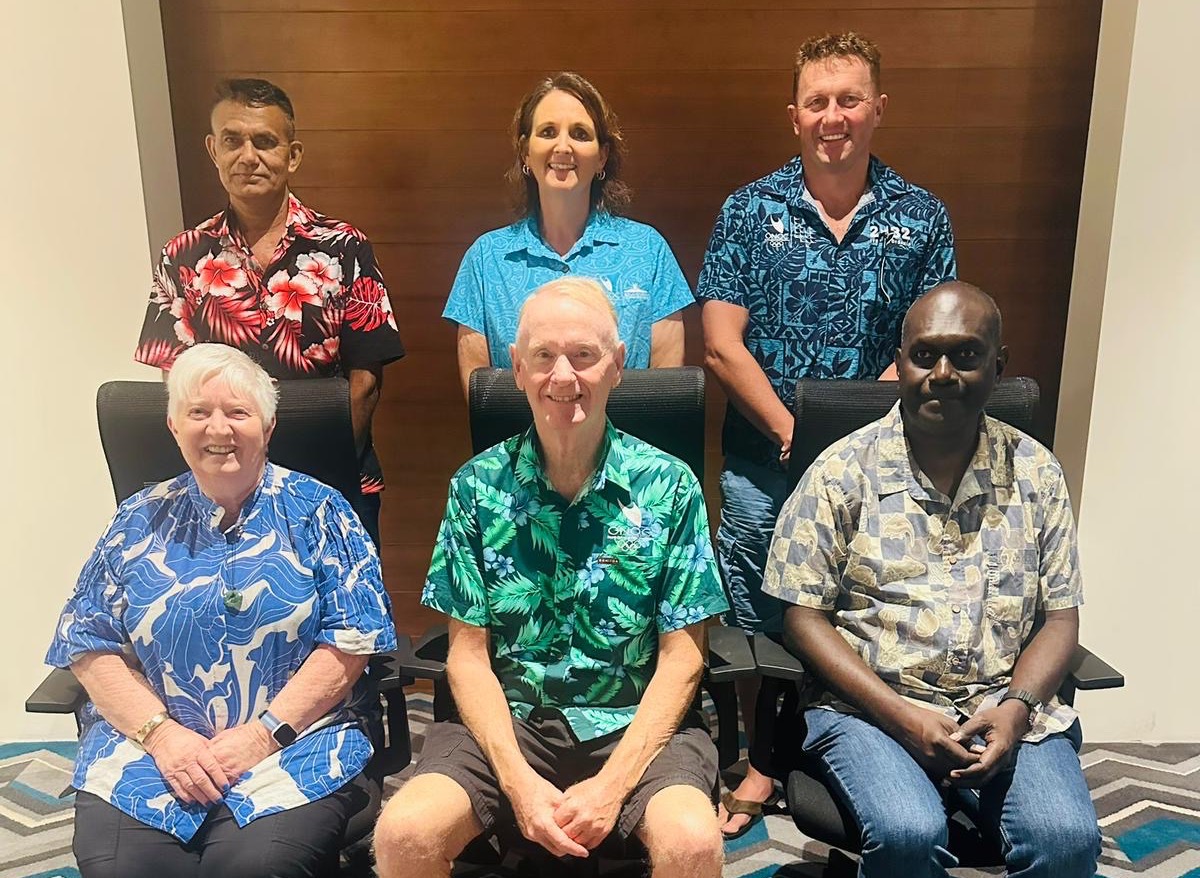
The Commission's work directly supports President Baklai Temengil's Focused Home Games Advantage Programme, which aims to maximise Oceania's participation and performance at Brisbane 2032. Education and capacity building were identified as foundational elements that enable NOCs to develop strong teams, effective leadership, and sustainable systems.
Bainimarama connected the Commission's advisory role to ONOC's broader ambitions. "The new Strategic Plan sets ambitious goals for our region, and we can only achieve them if we have the right people with the right skills in the right positions," he noted. "The Education Commission helps us understand what capacity gaps exist, how to address them strategically, and how to measure whether our education investments are actually translating into stronger NOCs and better athlete support."
Since its establishment, OSEP has trained hundreds of sports administrators, coaches, and educators across Oceania through programmes including Sport in Context, Coaching & Officiating, Management in Sport Organisations, and specialised streams for Educators, Master Educators, and Regional Master Educators.
As the Commission concluded its meeting in Nadi, members expressed confidence that the reorganized structure would strengthen ONOC's ability to prepare the Pacific region for the challenges and opportunities of the Brisbane 2032 quadrennial.
###
About ONOC
Established in 1981, the Oceania National Olympic Committees (ONOC) is one of five Continental Associations. It looks after the interests of 17 member nations in the Oceania Region, including Australia and New Zealand as well as seven associate members.
###
For more information, please contact;
Inoke Bainimarama, Executive Director
inoke@oceanianoc.org
###
Digital Channels
For up-to-the-minute information on ONOC and regular updates, please follow us on Facebook, Twitter, Instagram LinkedIn and YouTube.