Website Guide HERE

X
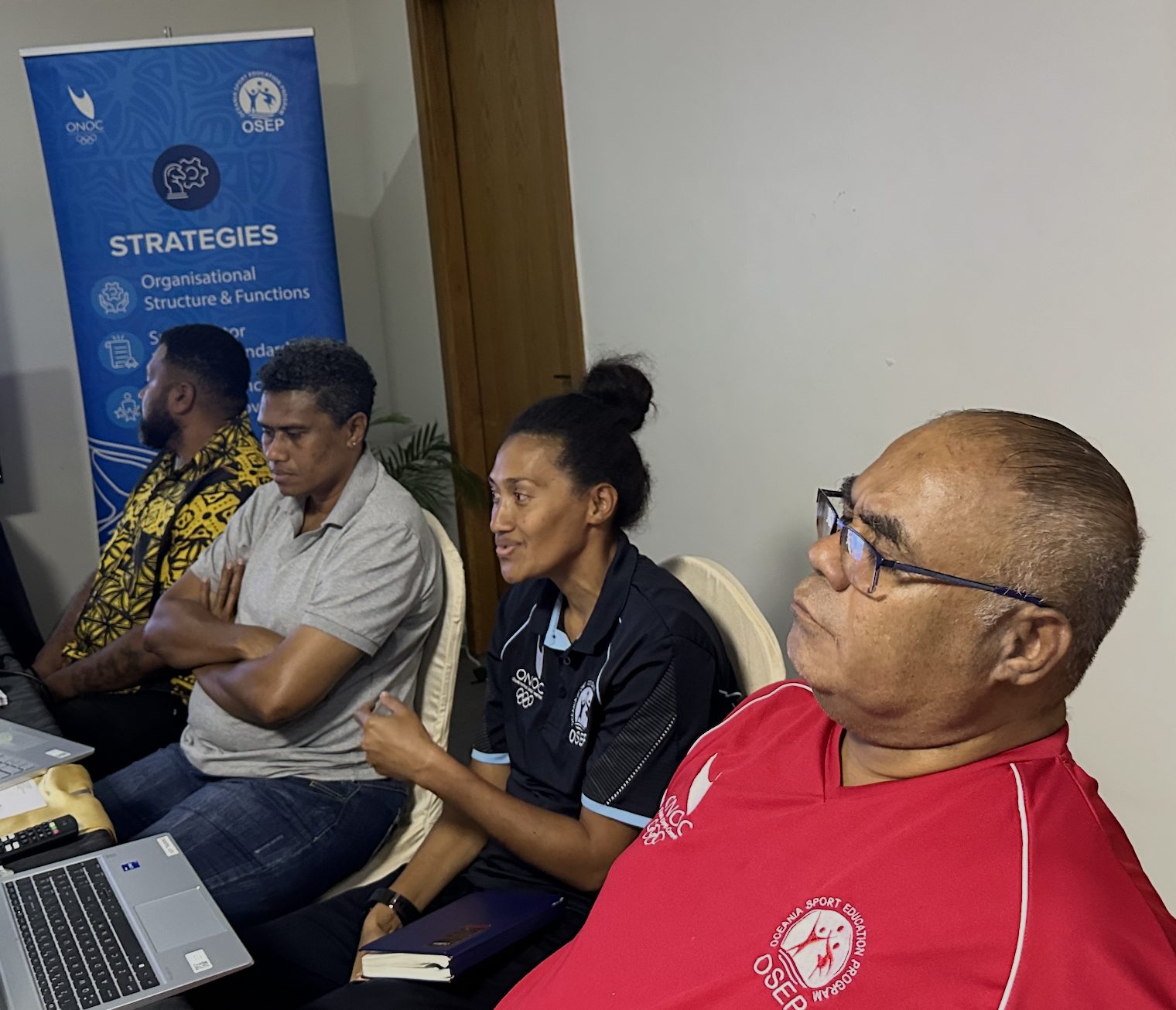
ONOC, through the Oceania Sport Education Programme (OSEP), has brought curriculum developers and validators together in Nadi for a five-day review of Strength and Conditioning courses for coaches across the Pacific.
12 October 2026 | Nadi, Fiji | The Oceania National Olympic Committees (ONOC), through the Oceania Sport Education Programme (OSEP), has brought curriculum developers and validators together in Nadi for a five-day review of Strength and Conditioning courses for coaches across the Pacific.
Running from 12–16 October, the Curriculum Validation Workshop will examine the Community, Development and National curricula, identifying the changes and evidence required for each course to progress towards formal OSEP approval.
OSEP currently offers six training streams: Administration, Technical Coaching, Strength and Conditioning, Games Team Management, Trainer and Safeguarding. Within the Strength and Conditioning stream, the Community-level and Development-level courses are existing courses being reviewed and updated, while the National-level course is new.
The review will consider technical content, teaching and assessment, safeguarding, gender equality, disability and social inclusion (GEDSI), athlete welfare, and the practicality of delivering the courses across different Pacific settings.
In his opening address, OSEP Chief Sport Education Programme Officer Meli Vunivuwai Cavu emphasised the responsibility that comes with preparing coaches whose decisions affect athletes in schools, clubs, communities and national programmes.
“What we teach, what we leave unclear, and what we assess will shape decisions affecting athletes,” Cavu said.
The workshop supports ONOC’s approved Strategic Plan, which connects sporting excellence with athlete safety and wellbeing, capable coaches and performance staff, and stronger National Olympic Committees.
Technical Lead Dr Trevor Clark is guiding the technical review. OSEP Mentor Mr Talemo Waqa, serving as the Technical & Training Delivery Validator, contributes both technical expertise and the Trainer Mentor perspective on how the courses can be facilitated and assessed consistently across Pacific settings.
The validation team also includes Mr Joave Nainoca, Disability Coordinator and Inclusive/Disability Officer at the Fiji National Sports Commission (FNSC), serving as the Inclusion & Adaptive S&C Validator. During the week, his focus will be on athletes with disabilities, adaptive Strength and Conditioning, accessibility and inclusive practice, helping ensure the curricula prepare coaches to support safe and meaningful participation.
In his introductory address, Dr Clark encouraged developers and validators to keep the curricula simple and clear. He reminded participants of the three criteria the curricula must meet throughout Oceania: validity, reliability and standardisation.
Building on Dr Clark’s remarks, Mr Waqa emphasised the importance of ensuring the curricula remain current, reflecting contemporary knowledge and coaching practice.
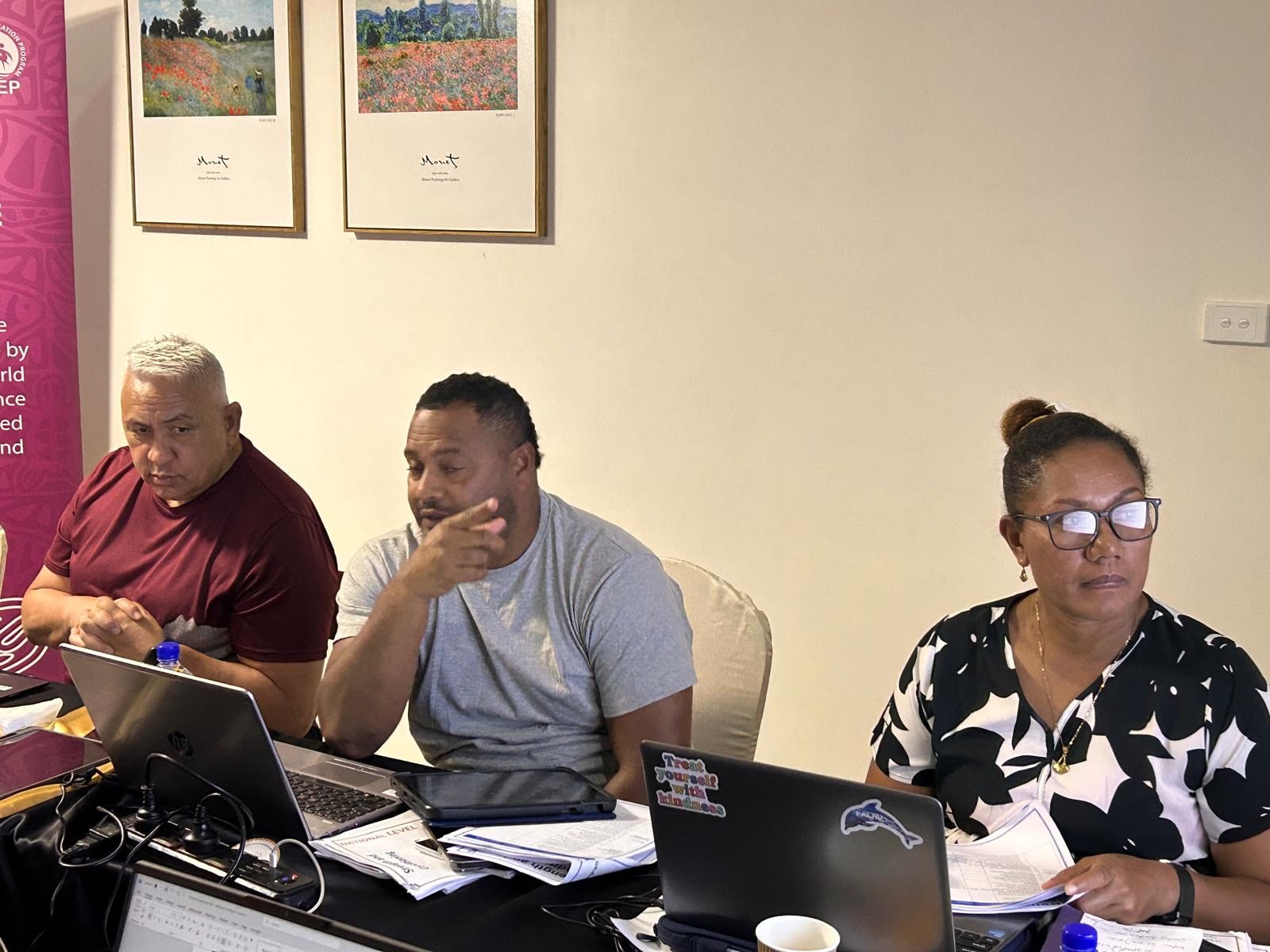
Curriculum developers will explain the design and intended outcomes of their courses and demonstrate practical teaching. Validators will examine the evidence independently, identify gaps and provide specific recommendations. Developers will retain responsibility for completing the resulting revisions.
Cavu encouraged the review team to keep the athlete’s experience central: whether coaches listen, maintain appropriate professional boundaries, respond to concerns, and meaningfully consider women and girls, athletes with disabilities, and athletes with different needs. The review will also examine whether safe and inclusive coaching practices are assessed.
He highlighted ONOC’s agreement with the Oceania Paralympic Committee and its role in housing the Oceania Impact Network (OIN). OIN brings partners together to advance gender equality, inclusion and safeguarding in and through Pacific sport, including developing women leaders, strengthening safeguarding capability and supporting inclusive community participation.
As ONOC’s Lead for Shared Services for the LA28 Olympic Games, Cavu also connected the curriculum review to athletes’ longer-term preparation for international competition.
“The support we provide at the Games builds on the preparation athletes receive long before they arrive,” he said.
The workshop aims to establish a clear progression of coaching competence across the three course levels, including when coaches should adapt activities and when they should seek qualified support. The review will also consider differences in equipment, facilities, trainer capacity and access to specialist support across Oceania.
By the end of the week, participants are expected to have recorded module-level decisions, clarified assessment and progression requirements, and agreed an action register setting out outstanding work, responsibilities and deadlines for the next stages of validation and approval.
###
About ONOC
Established in 1981, the Oceania National Olympic Committees (ONOC) is one of five Continental Associations. It looks after the interests of 17 member nations in the Oceania Region, including Australia and New Zealand as well as seven associate members.
###
For more information, please contact;
Sitiveni Tawakevou
Chief Communications Officer (Acting)
sitiveni@oceanianoc.org
###
Digital Channels
For up-to-the-minute information on ONOC and regular updates, please follow us on Facebook, Twitter, Instagram LinkedIn and YouTube.