Website Guide HERE

X
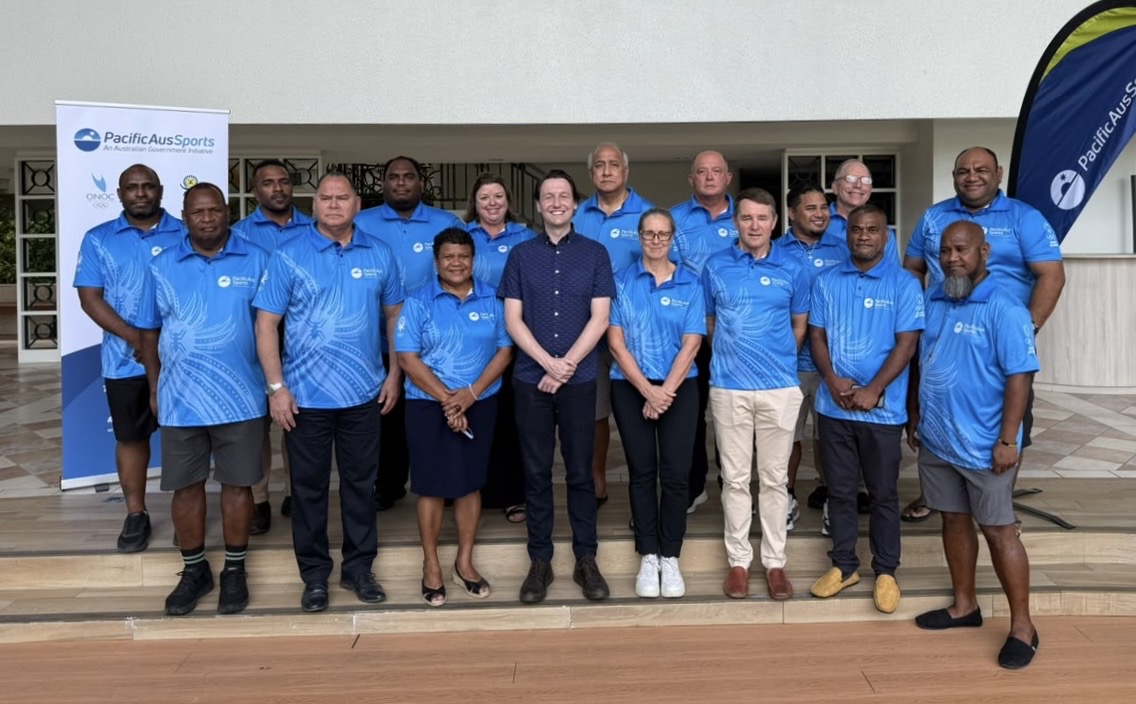
National Olympic Committees from across the North Pacific and wider Oceania met in Palau for the 2nd North Pacific High-Performance Workshop, strengthening collaboration, national planning and regional partnerships to support athlete development and Games preparation towards Brisbane 2032.
16 October 2026 | Koror, Palau | National Olympic Committees (NOCs) from across the North Pacific and wider Oceania region came together in Palau this week for the 2nd North Pacific High-Performance Workshop, strengthening collaboration, national planning, and regional partnerships to support athlete development and Games preparation towards Brisbane 2032.
Held from 12–16 October 2026, the workshop was hosted by the Palau National Olympic Committee (PNOC) through the PacificAus Sports Programme, with the support of the Australian Olympic Committee (AOC) and the Australian Government’s Department of Foreign Affairs and Trade (DFAT).
The workshop brought together NOC leaders, sport development practitioners, technical experts and regional partners to advance the North Pacific High-Performance Framework and identify practical opportunities for coordinated investment and athlete support.
Opening the workshop on Monday, 12 October, Oceania National Olympic Committees (ONOC) President Baklai Temengil-Chilton emphasised the importance of translating regional ambitions into clear priorities, measurable actions, and collective accountability.
“Our strength is in our partnerships, but our progress depends on the decisions we make together.”
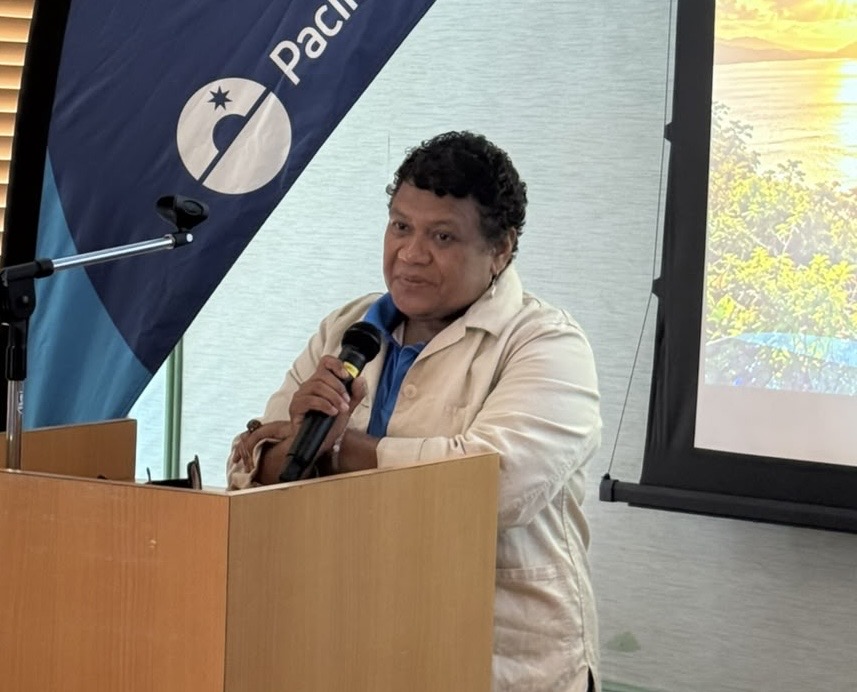
President Temengil-Chilton situated the workshop within ONOC’s ongoing Reset Programme, guided by its commitment to becoming Fit for Purpose and Fit for Future and delivering the priorities of the ONOC 2025–2028 Strategic Plan.
She highlighted the need for ONOC and its members to be deliberate about where the organisation leads, where it facilitates partnerships, and where it should step back to enable others to deliver.
Recognising the different resources, capabilities and sporting priorities across Oceania, she encouraged NOCs to focus their investments on areas that can deliver the greatest impact for athletes and national sport systems.
A central focus of the workshop was strengthening national high-performance strategies and aligning athlete preparation with upcoming regional and international Games.
Discussions covered the Pacific Games in Tahiti in 2027, the Micronesian Games in Nauru in 2028, the Los Angeles 2028 Olympic Games and the longer-term pathway towards Brisbane 2032.
The programme also addressed athlete benchmarking, Olympic qualification pathways, priority sports, coaching and workforce development, funding opportunities, and shared regional high-performance services.
Through dedicated planning and peer-review sessions, participating NOCs worked on refining their national strategies, identifying investment priorities, and exploring practical solutions to common development challenges.
ONOC also contributed to discussions on its current high-performance planning and the Fukuoka Prefecture partnership, including opportunities for North Pacific athletes and coaches to access development support.
The workshop provided an opportunity to further connect the work of NOCs with the Australian Olympic Committee, PacificAus Sports, IOC Olympic Solidarity, regional sport federations and other development partners.
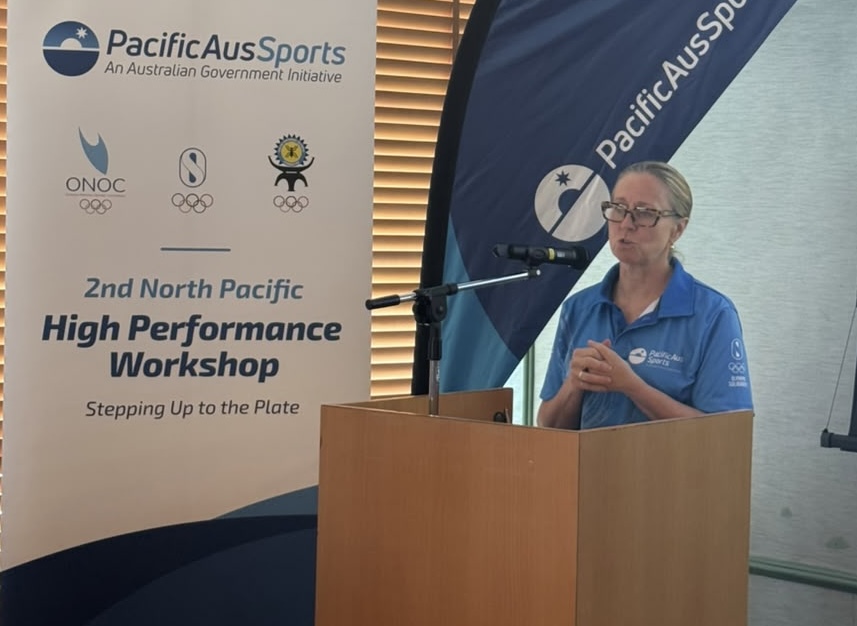
Key areas of work included the North Pacific High-Performance Framework, a shared high-performance calendar for 2026–2028, national strategy development and opportunities for coordinated funding and service delivery.
The workshop programme also established a follow-up approach incorporating a 30-day check-in, a three-month progress review and a six-month milestone assessment to maintain momentum and accountability.
President Temengil-Chilton reinforced that the success of ONOC’s Reset and the region’s high-performance ambitions would ultimately be measured by delivery rather than planning alone.
“Our responsibility is not simply to arrive in Brisbane in 2032. It is to arrive better prepared because of the decisions we made, the work we delivered and the lessons we learned along the way.”
She also encouraged members to look beyond existing approaches, including opening a regional dialogue on the future of youth sport and the potential role of an Oceania-level Youth Olympic Games model.
As the region prepares for successive Games opportunities, the workshop reinforced the importance of collaboration between NOCs, national federations, coaches, governments and development partners.
For ONOC, the priority remains strengthening member NOC capabilities, improving athlete preparation and building sustainable high-performance systems that respond to the diverse needs and realities of Oceania.
As President Temengil-Chilton reminded participants in her opening address:
“When we leave Palau, I want each of us to leave with more than ideas. Let us leave ready to make decisions, clear about our responsibilities and committed to being accountable for our actions.”
###
About ONOC
Established in 1981, the Oceania National Olympic Committees (ONOC) is one of five Continental Associations. It looks after the interests of 17 member nations in the Oceania Region, including Australia and New Zealand as well as seven associate members.
###
For more information, please contact;
Inoke Bainimarama, Executive Director
inoke@oceanianoc.org
###
Digital Channels
For up-to-the-minute information on ONOC and regular updates, please follow us on Facebook, Twitter, Instagram LinkedIn and YouTube.